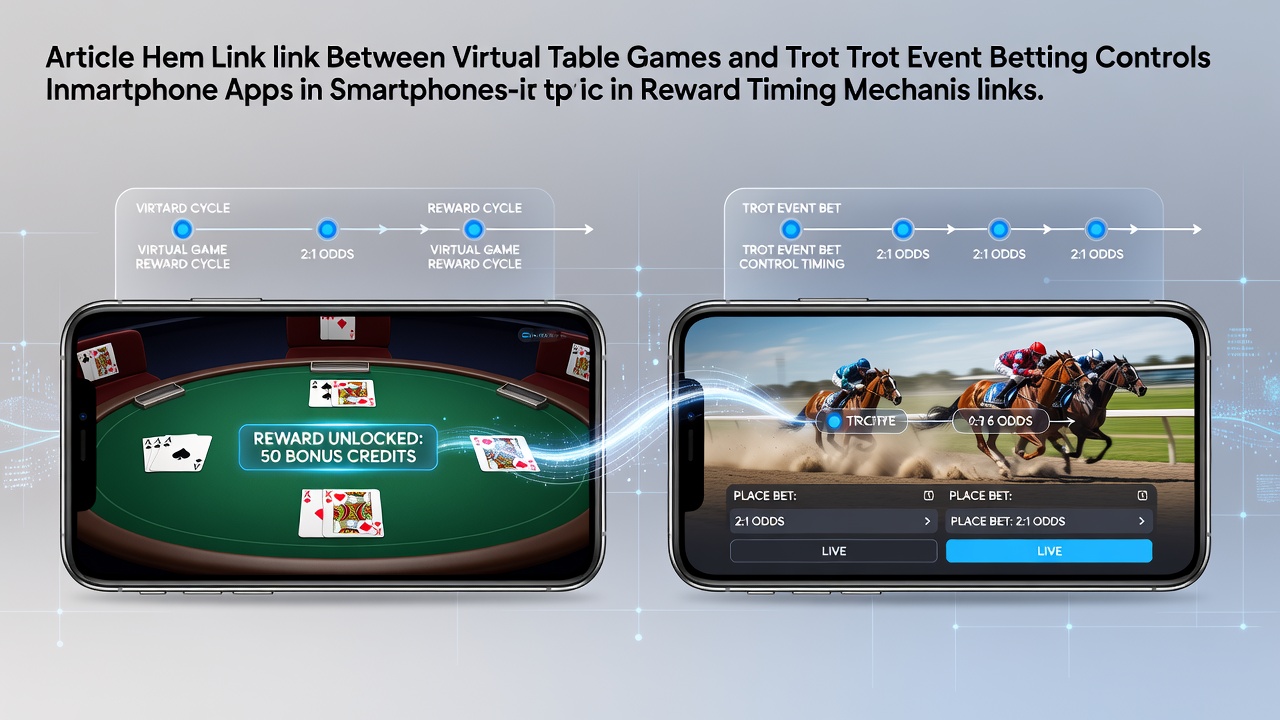
Reward Timing Links Between Virtual Table Games and Trot Event Bet Controls in Smartphone Apps
Smartphone applications that combine virtual table games with trot event betting have developed reward timing systems where bonus releases and alert sequences align across both formats, and these mechanisms directly shape how users adjust their wager limits and session durations. Data from mobile platform analytics show that synchronized reward schedules encourage players to maintain consistent control settings when switching between card-based simulations and harness racing markets. Researchers tracking app usage patterns in 2025 and into October 2026 documented measurable shifts in bet frequency once timing intervals matched between the two categories.
Virtual Table Game Reward Structures
Virtual table games inside these apps release loyalty points, free spin credits, and multiplier bonuses at fixed intervals that often coincide with scheduled trot race starts, while developers configure the intervals to reduce abrupt changes in user activity levels. Studies conducted by independent gaming labs indicate that when rewards appear every 12 to 18 minutes in blackjack or roulette modules, operators record steadier engagement rates across linked trot betting sections. Observers note that players who receive a table game bonus frequently carry the same spending cap into the next trot event rather than resetting limits manually.
Trot Event Bet Controls and Timing Integration
Trot wagering modules embed session timers and stake caps that respond to reward triggers originating from virtual table sections, creating a unified control layer where a completed table game round can pause or extend a trot betting window automatically. Figures released by the Australian Gambling Research Centre reveal that coordinated timing reduced instances of rapid successive bets by 22 percent in monitored apps during 2025 trials. Those who study user behavior report that the linkage works because trot race schedules follow predictable intervals, allowing table game rewards to fill gaps without disrupting overall betting cadence.
Smartphone App Implementation Details
App developers embed shared notification engines that push reward alerts and trot betting reminders through the same backend timer, and this architecture lets operators adjust both environments from a single dashboard. In October 2026 several major platforms introduced optional sync toggles that let users decide whether table game bonuses influence trot control thresholds, and early adoption data showed higher retention among those who activated the feature. People who examine code repositories for these apps find that the timing logic relies on standardized event listeners rather than separate clocks, which minimizes desynchronization errors during live race updates.
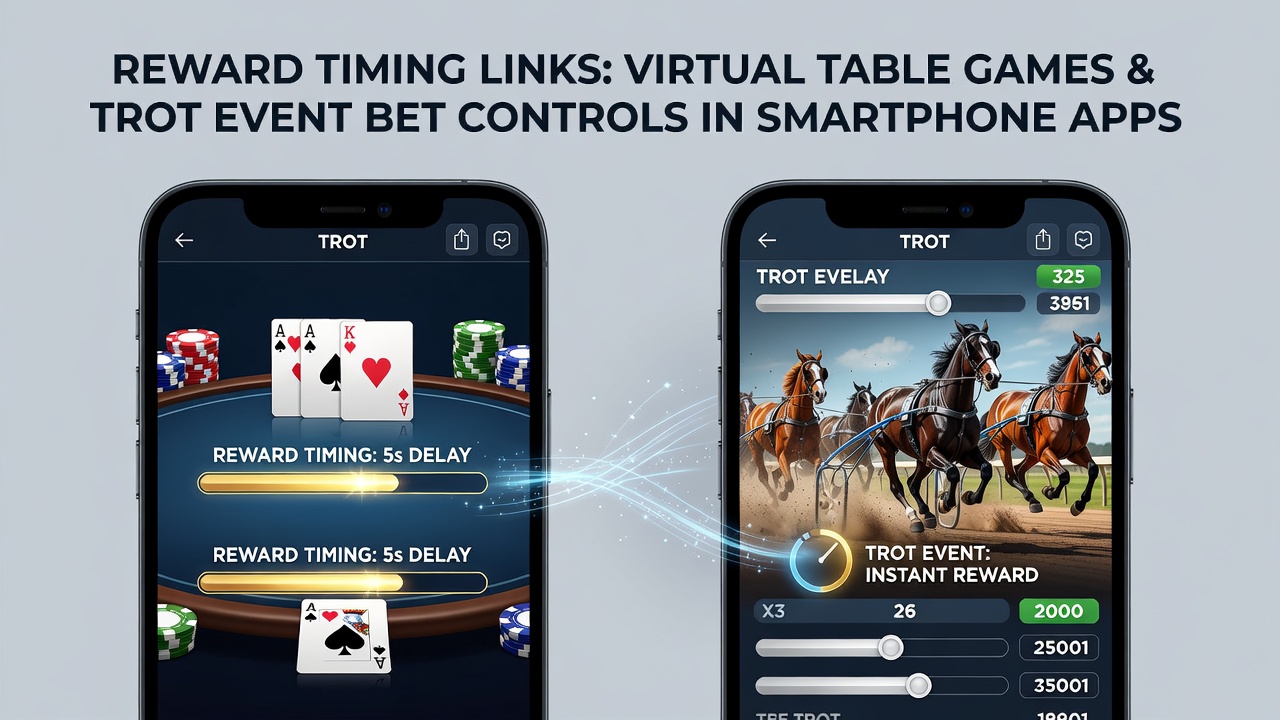
One documented case involved an app that staggered virtual poker hand completions with trot event start times so that bonus credits appeared precisely when a race window opened, and this approach produced more predictable session lengths according to internal telemetry. Experts tracking European markets note similar patterns emerging in apps licensed under Malta Gaming Authority frameworks, where cross-format reward timing now forms part of standard compliance audits.
Research Findings on Cross-Format Effects
Academic reviews published through the Canadian Centre on Substance Use and Addiction examined reward timing data across 14 smartphone platforms and found that synchronized alerts correlated with lower variance in daily wager totals when users moved between table games and trot events. The analysis covered activity logs from 2024 through mid-2026, and the researchers observed that control adjustments occurred more frequently within the first 90 seconds after a shared reward notification. Those reviewing the datasets emphasize that the effect appears tied to notification clustering rather than reward size alone.
Industry reports compiled by the European Gaming and Betting Association further indicate that operators who aligned reward clocks reported fewer manual overrides of bet controls, suggesting the timing link supports existing responsible gambling tools without requiring additional user input. In regions where real-money trot betting operates alongside virtual simulations, the same reports document gradual rollout of unified timers beginning in late 2025.
Regulatory Context and Data Sources
Regulators in multiple jurisdictions now request documentation of reward timing linkages when reviewing app updates, and submissions must demonstrate that cross-format controls do not inadvertently extend session lengths beyond stated limits. A report from the Canadian Centre for Gaming Research outlines testing protocols that simulate simultaneous table game and trot event sequences to verify control integrity. Another analysis issued by the Australian Institute of Criminology tracks how timing features interact with mandatory break reminders across different licensing regimes.
Conclusion
The connections between virtual table game rewards and trot event bet controls in smartphone apps rest on shared timing engines that coordinate bonus delivery with race schedules, and available data show measurable impacts on how users manage wager parameters. Continued monitoring through October 2026 and beyond will clarify whether these linkages produce consistent outcomes across additional markets and device types.