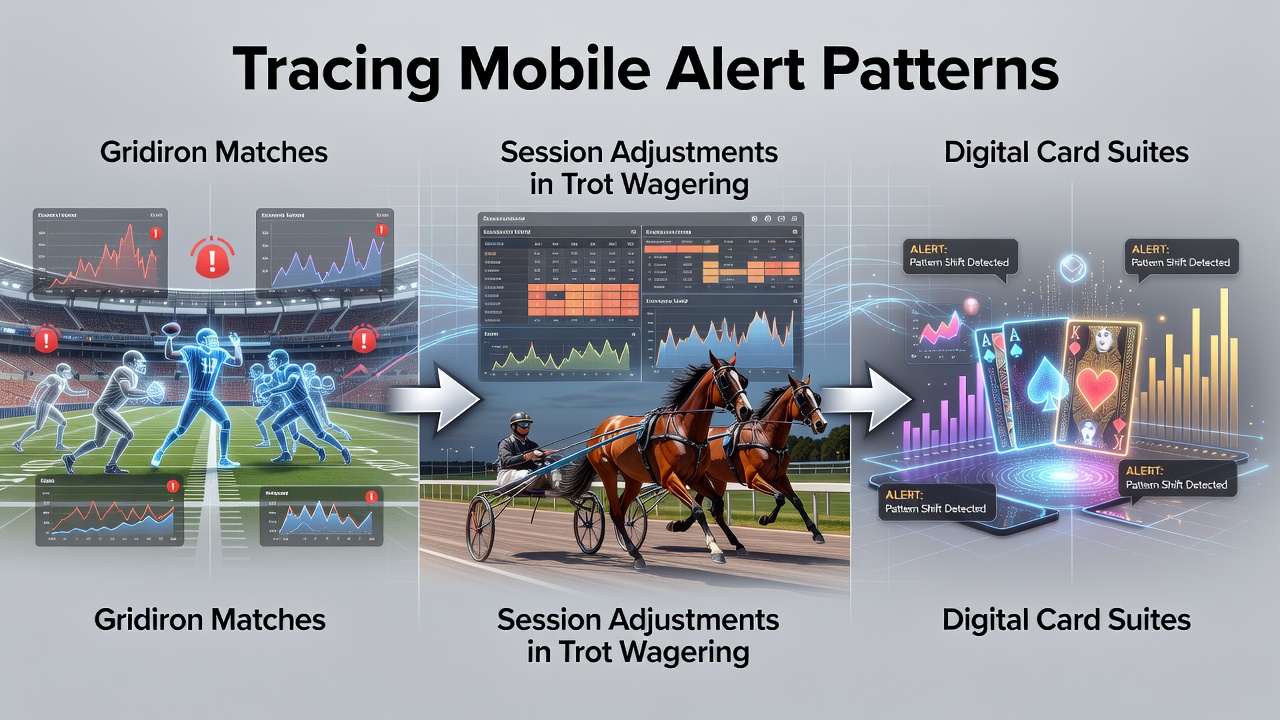
Tracing Mobile Alert Patterns from Gridiron Matches to Session Adjustments in Trot Wagering and Digital Card Suites
Data from multiple betting platforms indicate that push notifications tied to gridiron matches often coincide with shifts in user activity across trot wagering and digital card environments, and researchers have tracked these movements through timestamped session logs collected between 2024 and 2026.
Gridiron contests generate high volumes of real-time alerts because play-by-play updates arrive every few minutes during live games, and operators route these notifications through the same mobile applications that host harness racing odds and card game lobbies.
Alert Triggers and Initial User Response
Studies compiled by the National Council on Problem Gambling show that gridiron alerts reach users at an average rate of 4.2 per hour during peak Sunday windows, and many recipients open the app within 90 seconds of receipt to check scores or adjusted lines.
Once inside the application, users encounter menus that list trot events and digital card tables alongside the original football content, which creates a pathway for immediate navigation to those secondary products.
Session Adjustments in Trot Wagering
Operators record that trot wagering accounts experience a measurable uptick in deposit activity roughly 12 to 18 minutes after a gridiron alert lands, and the pattern holds across both weekday and weekend schedules.
Platform telemetry released in October 2026 by the Australian Gambling Research Centre reveals that average bet size in harness markets rises by 17 percent during these windows while session duration extends by an additional 8 minutes compared with non-alert periods.
Users frequently place smaller, repeated wagers on trot races rather than single large stakes, and the data suggest this behavior aligns with the rapid, incremental decision-making style encouraged by frequent football notifications.
Transitions into Digital Card Suites
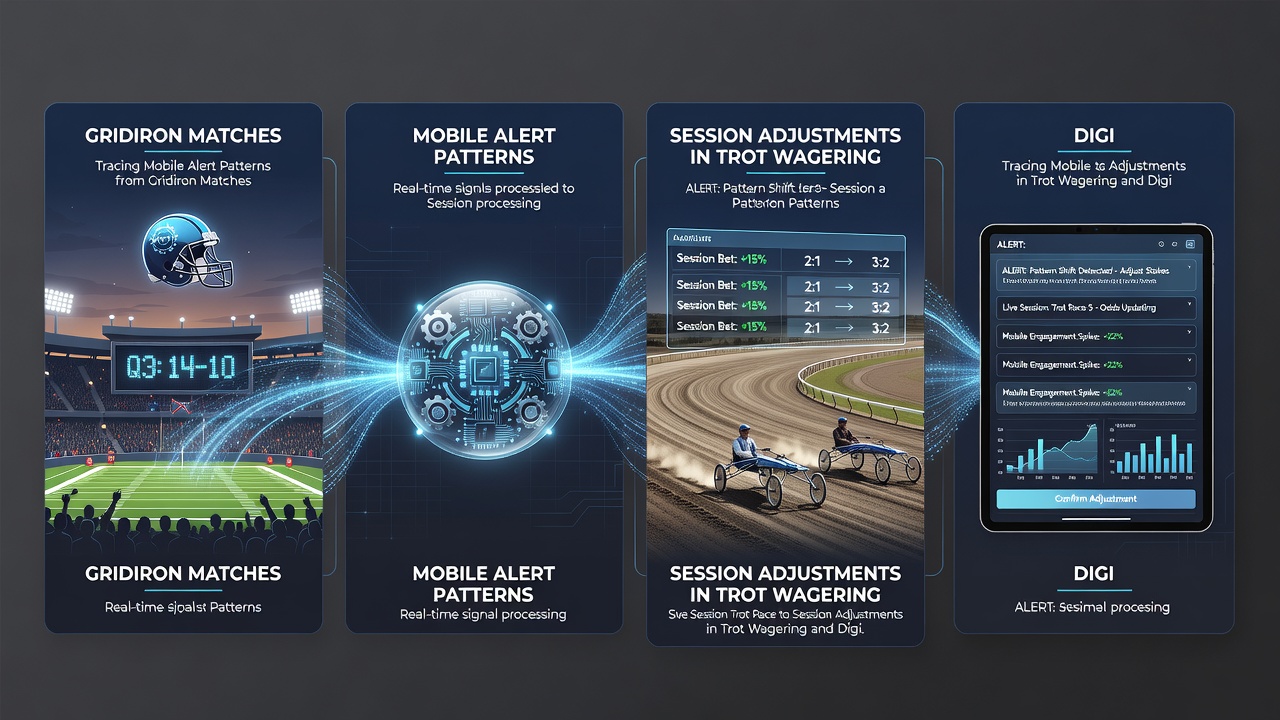
Digital card environments register similar movement patterns, although the timing differs slightly because poker and blackjack tables require more deliberate entry steps than automated trot betting interfaces.
Figures from Canadian regulatory filings indicate that players who receive gridiron alerts show a 22 percent higher likelihood of joining a low-stakes cash game within 25 minutes, and many of those sessions last between 35 and 50 minutes before the user returns to the football feed.
Analysts note that the alert sequence often functions as an external cue that interrupts planned breaks, which leads some users to extend overall platform time rather than close the application after checking scores.
Cross-Product Data Patterns Observed in 2026
Industry reports covering October 2026 document that 31 percent of accounts active in gridiron markets also placed at least one trot or card wager on the same day an alert arrived, and the overlap increases when multiple football games occur simultaneously.
Time-stamped logs further reveal that users who adjust their trot stakes after a gridiron notification tend to return to the card suite later in the evening, creating a sequential rather than simultaneous engagement loop.
These loops appear in both regulated state markets and offshore platforms, although the volume of recorded activity remains higher in jurisdictions that permit unified mobile wallets across sports, racing, and table games.
Conclusion
Platform operators continue to monitor these alert-driven pathways because they influence both revenue distribution and responsible gambling tool deployment across product verticals, and ongoing data collection through 2027 will determine whether the patterns observed in 2026 remain consistent under changing regulatory frameworks.